Circling Through Whispering Pines

Today we dive into Gravel-Friendly Scenic Loop Rides on Quiet Forest Roads, celebrating flowing circuits where crunching stones, filtered light, and birdsong set the cadence. Expect practical planning advice, gear wisdom, ride stories, and respectful practices that help you savor solitude without sacrificing safety. Share your favorite loops, ask route questions, and join our growing circle of riders who believe the best roads are often unpaved, quiet, and looping back to joyful beginnings.

Mapping Loops That Flow

Smart Scouting

Use satellite imagery to spot texture changes that hint at gravel grades, while forestry maps reveal gates, spur roads, and maintenance levels. Layer ride heatmaps with caution; popularity does not guarantee safety or legality. Call ranger stations about logging activity, fire restrictions, and planned closures. Lastly, ask a local shop mechanic where dust gathers late, water lingers after storms, and the wind typically turns at noon. Good intel turns a guess into a graceful circle.

Surface Secrets

Use satellite imagery to spot texture changes that hint at gravel grades, while forestry maps reveal gates, spur roads, and maintenance levels. Layer ride heatmaps with caution; popularity does not guarantee safety or legality. Call ranger stations about logging activity, fire restrictions, and planned closures. Lastly, ask a local shop mechanic where dust gathers late, water lingers after storms, and the wind typically turns at noon. Good intel turns a guess into a graceful circle.

Loop Logic

Use satellite imagery to spot texture changes that hint at gravel grades, while forestry maps reveal gates, spur roads, and maintenance levels. Layer ride heatmaps with caution; popularity does not guarantee safety or legality. Call ranger stations about logging activity, fire restrictions, and planned closures. Lastly, ask a local shop mechanic where dust gathers late, water lingers after storms, and the wind typically turns at noon. Good intel turns a guess into a graceful circle.

Dialing In the Bike

Tires and Pressure
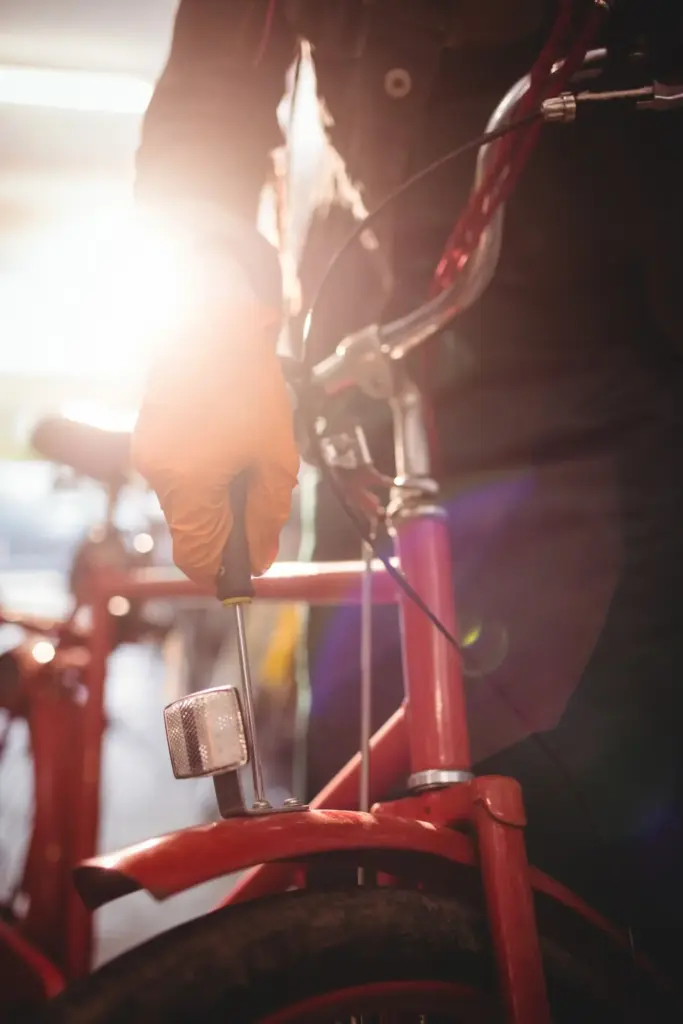
Choose a casing that prioritizes puncture protection on rocky grades without giving up suppleness. Semi-slick centers with textured shoulders roll swiftly while still cornering confidently in loose dust. Start around low-to-mid 30s psi for many riders, then micro-adjust after the first washboard descent. Measure, don’t guess, and re-check on cool mornings and warm afternoons. Tubeless sealant freshens every three months; bring plugs for sidewall cuts. Your contact patch is your passport; treat it with care.

Gearing and Control

Short cranks and wide-range cassettes protect knees and cadence on steep gravel ramps. Consider 1x simplicity with a clutch derailleur to quiet chain slap or a compact 2x for tightly spaced road transitions. Keep braking smooth and early, using both levers evenly while staying relaxed and centered. Flared bars widen your base for stability; slightly higher hoods ease long climbs. Small cockpit tweaks—tilt, reach, flare—can turn twitchy moments into composed, confident lines through shifting marbles.

Comfort and Carry

A forgiving saddle, flex seatpost, and ergonomic grips accumulate kindness over hours. Stash a lightweight shell, packable vest, and thin gloves for chilly descents under dense canopy. Use a frame bag for low, stable mass; top-tube pouches host snacks within reach. Two large bottles plus a compact filter expand your range. Keep tools organized, derailleur hanger protected, and phone in a waterproof sleeve. Comfort isn’t luxury here; it’s your ticket to noticing quiet wonders longer.

Technique for Loose Roads

Gravel rewards calm inputs and patient timing. Keep eyes far ahead, breathe, and let the bike dance beneath you. Brake before the corner, not in it; commit to gentle arcs while weighting the outside foot. Spin through climbs seated, unweighting just enough to maintain traction. On descents, relax elbows, lower the chest, and ride light hands, heavy feet. When the surface shifts unexpectedly, resist panic correction. Composure converts chaos into rhythm, turning challenge into conversation with the road.

Respectful Riding in Wild Places

Quiet roads are shared with deer, trucks, hunters, hikers, and the unseen work of land stewards. Yield widely, pass gently, and keep music off so you can hear wings, engines, and warnings. Close gates as found, pause to let dust settle near campsites, and announce yourself early on blind corners. Pack out everything, including banana peels and micro-trash. Know legal access and seasonal restrictions, and never shortcut switchbacks. Riding respectfully preserves the very serenity you came seeking.

Sharing Space

Make yourself visible with daytime lights and earth-toned clothing accented by reflective details. When approaching walkers or horse riders, slow early, speak calmly, and wait for a clear signal to pass. Step aside for working vehicles and give graders a wide berth. If dogs appear, stop, foot down, and use firm, friendly voices. Consider wildlife first at dawn and dusk, when crossings are common. Gratitude and patience transform chance encounters into goodwill that lasts long after your tire tracks fade.

Situational Awareness

Sound changes in forests carry meaning: a distant engine might signal a truck on a blind climb, while sudden silence can precede wildlife movement. Remove one earbud or better, ride without. Read wind shifts, dust plumes, and fresh tire marks for clues. Confirm your position at intersections, even if the path seems obvious. Save emergency contacts and local ranger numbers. Awareness is not anxiety; it is relaxed attention, freeing your mind to enjoy light, aroma, and the music of gravel.

Emergency Readiness

Carry a compact kit: pressure-tested pump, two levers, bacon strips, spare valve core, multi-tool, quick link, and a tough boot. Add a small first-aid pouch with bandages, antiseptic, and electrolyte tabs. Download offline maps, charge your phone fully, and pack a backup light. Tell someone your loop plan with time windows and bail-outs. In remote pockets, a small locator beacon or satellite messenger adds real security. Prepared riders turn surprises into stories rather than rescues that strain limited resources.

Weather, Seasons, and Timing

Forest roads shift character with clouds and calendar. Spring brings freeze–thaw mud and singing creeks; summer dust floats under bright canopies; autumn leaves hide marbles; winter frost polishes shaded slopes. Start early to catch cool air and longer shadows that reveal ruts. After storms, give saturated clay time to breathe, preserving the surface. Carry layers for chill descents and sun protection for long clearings. Favor loops that put exposed ridges earlier and sheltered valleys during afternoon winds.

A Dawn-to-Dusk Loop to Remember

We left before first light, tires whispering over dew-dark gravel as an owl traded places with robins. A gradual climb revealed a ridgeline glowing pink. Later, a hidden spur descended to a lake where fog braided the shore. A small bakery appeared exactly when hunger became a mood. Afternoon wind tested resolve; a sheltered creek path restored it. The final miles threaded golden needles, bells chiming softly. Loops end, but small details linger. Share yours; we’ll ride them together.
Pifumilaroponani
Privacy Overview

This website uses cookies so that we can provide you with the best user experience possible. Cookie information is stored in your browser and performs functions such as recognising you when you return to our website and helping our team to understand which sections of the website you find most interesting and useful.